

Data plays a vital role in helping councils and their local partners understand the scale and nature of child poverty in their areas. By providing this insight, it allows councils to identify priority groups and places and design interventions that have the greatest impact. This means that limited resources can be used to the greatest effect. Used well, data is a crucial component in developing, monitoring, and evaluation of local child poverty actions.
The IS has developed a range of tools and services that can support local government in its work to tackle child poverty. These include:
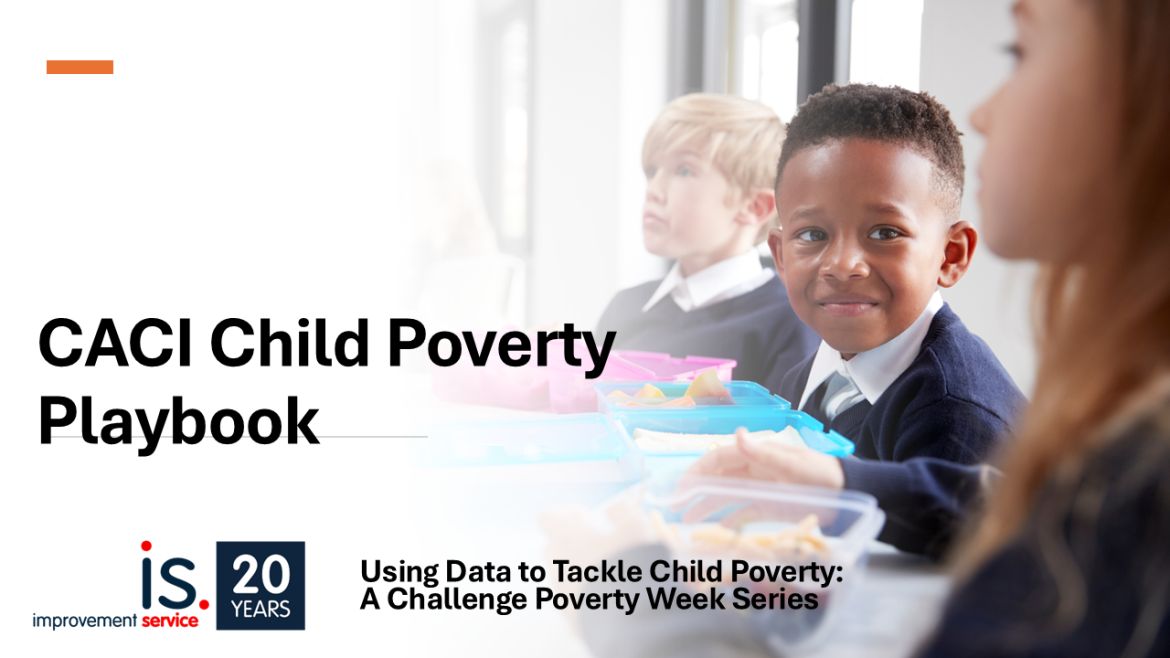
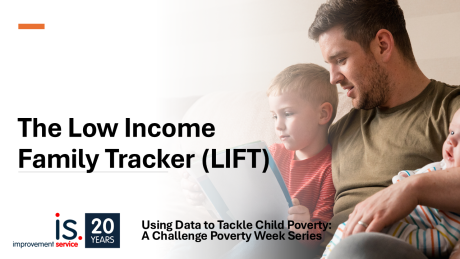
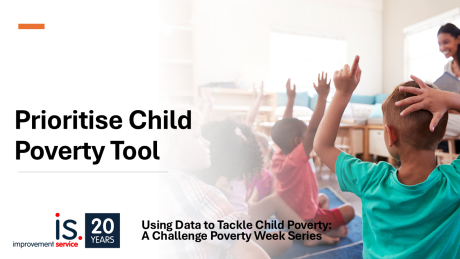
- A set of practical case studies and data resources that councils can use to support their own work to tackle child poverty. These examples and resources can be applied directly in councils’ own work to help understand need, improve benefit take‑up, and inform preventative action.
- A map of local child poverty rates at data zone level across Scotland: Our Child Poverty Map allows you to view and download the latest data for children in low-income families at a data zone level. It also allows you to view uptake rates of Scottish Child Payment at Intermediate Zone Level.
- A SAVVI (Scalable Approach to Vulnerability Via Interoperability) Team consisting of an Information Governance Lead, Technical Data Lead and Transformation Coach to support local government to share and reuse data to identify vulnerable households.
The IS can support you to make use of these resources and maximise the value of your own data.
Contact: research@improvementservice.org.uk
-
Improving outcomes for people and communities affected by poverty, inequality, trauma and adversity: Joining the dots across key policy agendas (briefing)
There are a number of key policy agendas that are part of a broader ambition to improve outcomes for people and communities across Scotland affected by poverty, inequality, trauma and adversity. This briefing highlights the links across these and explores opportunities for re-framing these multiple policy ambitions as opportunities to work together around the common goal of improving outcomes for people and communities.
-
Improving outcomes for people and communities affected by poverty, inequality, trauma and adversity: joining the dots across key policy agendas (infographic)
This infographic provides an overview of a small number of key national policy agendas, approaches and commitments, all designed to support a cross-policy, person-centred approach to improving outcomes for people and communities across Scotland affected by poverty, inequality, trauma and adversity.